
Research & field stories
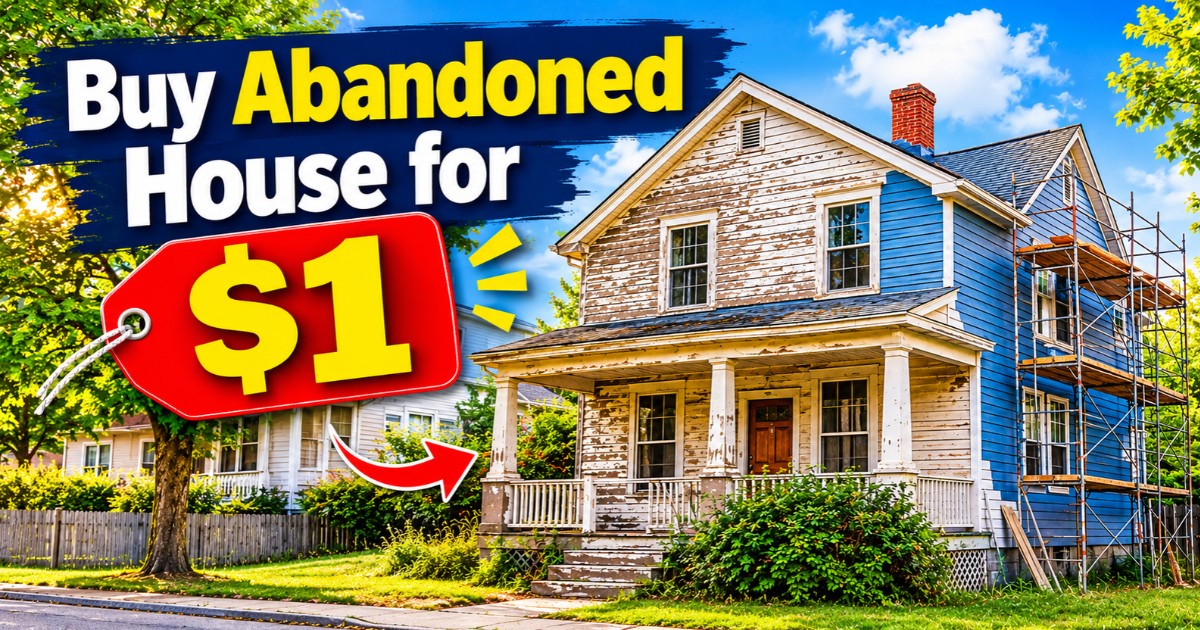
Sometimes, but rarely the way the headlines imply. A federal HUD program sells foreclosed homes for $1 to local governments, not to individuals, and a few cities have sold city-owned houses for $1 to buyers who agreed to fix them. To buy an abandoned house for $1, you usually need one of those programs, not an ordinary listing.
The dollar buys the deed. Rehab deadlines, residency rules, and repair bills decide whether the house is a deal, and several well-known programs are historical or now sell vacant lots instead. For other low-price routes, see our guide to cheap abandoned houses you can actually buy.
A $1 house is a home sold for one dollar under a government or nonprofit program that requires the buyer to repair it and live in it.
Quick Answers
- Are $1 houses real? Yes, in specific programs. HUD sells qualifying homes to local governments for $1, and some cities have sold city-owned houses for $1 with conditions.
- Can I buy a HUD $1 home myself? No. HUD’s program sells to local governments, which may then work with nonprofits.
- Are Detroit, Buffalo, and Gary offering $1 houses now? Not as far as the official sources cited here show. Detroit’s land bank auctions open at $1,000, Buffalo’s 2025 plan covers vacant lots at $1,000, and Gary’s latest cited notice is from 2018.
- What is the catch? Rehab deadlines, years of required residency, closing costs, taxes, and repairs.
- Does a $1 listing on a real estate site mean a $1 sale? No. A $1 price can be an auction opening bid or a marketing tactic.
Can You Really Buy an Abandoned House for $1 in the United States?
Are $1 Houses Actually Available?
In narrow cases, yes. A 2011 HUD notice describes the Dollar Home Sales program, under which local governments can buy qualified HUD-owned homes for $1. Those were homes the Federal Housing Administration could not sell after at least six months on the market and that, in that notice, were worth $25,000 or less as-is.
That notice expired in 2012, but OMB’s Federal Program Inventory still lists the program as number 14.313 and names local governments as eligible applicants. Individuals are not on that list.
Some cities have run their own programs. A 2015 CNN Money report described Buffalo selling vacant homes for $1 to buyers who would fix them up and live in them.
Why Would a City or Property Owner Sell a House for $1?
For cities, the goal is reuse. Gary’s 2018 release calls its Dollar Home Program part of a blight-elimination effort that encourages homeownership through rehab of vacant houses.
The alternative is often demolition. CNN reported that about 60 Buffalo homes were razed in a year and 90 more were on the demolition list. Many of these houses reach public hands for the reasons covered in our guide to why houses get abandoned.
Private sellers use $1 differently. Inman reported, citing Realtor.com, that 512 homes were listed at $1 in June 2025, 24% more than a year earlier, and described it as a marketing tactic.
Is a $1 House the Same as a Free House?
No. In HUD’s program, the local government pays the closing costs, and the 2011 notice says it must also remove any liens it placed on the property. Gary’s 2018 program charged a $25 application fee on top of the $1 price.
The price is the smallest line on the bill, as the cost section below shows.
Does Every Abandoned House Qualify for a $1 Sale?
No. A house must belong to the seller running the program, such as a city or HUD, and meet that program’s criteria. Appearance doesn’t decide it, and our guide to abandoned vs. vacant vs. zombie vs. condemned property explains why those labels point to different records.
Buffalo’s program, as Community Progress describes it (page updated May 2025), covers properties in designated urban renewal areas at the city’s discretion. If an owner is unknown, see what happens to abandoned houses nobody claims.
How Do $1 House Programs Work?
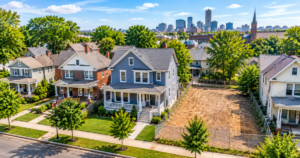
The programs share a pattern. A public body ends up owning a vacant house, and it sells to a buyer who commits to fix it and, usually, to live there.
Government-Owned Abandoned Property Programs
HUD’s version starts with an unsold foreclosed home. After six months of marketing, the home is offered exclusively to local governments for 10 days, according to the 2011 notice, and unsold homes return to the general market.
Buffalo’s version starts with city-owned property in designated areas. CNN described buyers who had to fix code violations within 18 months and live in the home for at least three years.
City Land Bank Property Sales
A land bank is a public entity that acquires and sells vacant properties. The Center for Community Progress says land banks’ powers vary by state.
Detroit’s land bank doesn’t sell $1 houses. Its FAQ says Auction bidding begins at $1,000, and buyers must rehab and occupy the house.
Nonprofit and Community Redevelopment Programs
HUD’s notice lets local governments buy and pass homes to nonprofits for rehab and resale to first-time or lower-income buyers. Nonprofits and housing authorities can’t buy directly on their own behalf, though a government can name a housing authority as its agent.
Private Property Owners Selling for a Nominal Price
A private $1 listing is a sales tactic, and the sale price may end far higher. Treat it as an auction opening, not a program, and read the listing’s terms.
Why Buyers Must Agree to Specific Conditions
Cities sell cheaply because they want the house fixed and occupied. Conditions such as deadlines, residency periods, and forfeiture are how they get that result.
Where Can You Find $1 Houses in America?
Status matters more than reputation, so the table dates each source.
| Place | What the cited official source says | Source date |
|---|---|---|
| HUD (federal) | Dollar Home Sales to local governments at $1 | 2011 notice; program listed by OMB |
| Detroit, MI | Land bank auction bidding opens at $1,000; rehab and occupancy required | Program FAQ, November 2026 |
| Buffalo, NY | Plan to sell eligible vacant lots at a flat $1,000 | City release, June 23, 2025 |
| Gary, IN | Eight houses at $1; $38,750 minimum income; rehab in one year; occupy five years | City release, August 15, 2018 |
Detroit, Michigan
Detroit’s land bank sells houses through auctions and Own It Now, and its FAQ says Auction houses are cleared out, secured, and sold with clear title. Bidding starts at $1,000, so a $1 sale isn’t offered.
Buffalo, New York
Buffalo’s $1 homes are historical. A June 23, 2025 city press release says vacant city-owned parcels were recently valued between $4,000 and more than $20,000, and announces a Citywide Homestead Plan under which eligible vacant lots would sell for a flat $1,000. Those are lots, not houses.
Gary, Indiana
Gary’s Dollar Home Program is documented in an August 15, 2018 release listing eight houses at $1. The release required a minimum annual income of $38,750, rehab within one year, and five years of occupancy.
That is the most recent official notice cited here. Confirm with the city whether any houses are available now.
Other Cities With Vacant Property and Rehabilitation Initiatives
The Cuyahoga Land Bank in Ohio advertises houses to renovate from as little as $5,000, with title held in escrow until the work is finished. For where vacancy concentrates, see the cities with the most abandoned houses.
Vacancy statistics don’t show where $1 offers exist. Our guide to how many abandoned houses there are in the US explains what those counts measure.
How to Verify Whether a $1 House Program Is Currently Active
Find the program on the city’s or agency’s own website and note the page date. Then ask the administering department, in writing, whether houses are available now and what the application deadline is.
Treat articles that repeat an old program as leads. Gary’s last cited notice shows how a program can fade from view without a formal end.
What Are the Requirements to Buy a $1 House?
Rules differ by program, so the examples below show the range, not a standard.
Income and Financial Eligibility
Gary’s 2018 program set a minimum annual income of $38,750. Detroit’s land bank, per its FAQ, requires buyers to have no delinquent Wayne County property taxes.
Owner-Occupancy Requirements
Gary required five years of occupancy in 2018. Buffalo required at least three years, as CNN reported in 2015.
Renovation and Rehabilitation Commitments
Cuyahoga’s Deed-in-Escrow buyers agree to a written renovation spec and pay all labor and materials. Detroit buyers must rehab and occupy.
Renovation Deadlines
Gary’s 2018 deadline was one year. Buffalo’s was 18 months to fix code violations, per CNN, and Cuyahoga typically sets four months.
Proof of Available Renovation Funds
Ask each program whether it requires proof of funds and what documents count. The sources cited here don’t set one standard.
Property Inspection and Approval
Detroit’s FAQ says touring a land bank house without approval counts as trespassing. It also lists a fee for private showings.
How Much Does a $1 Abandoned House Actually Cost?
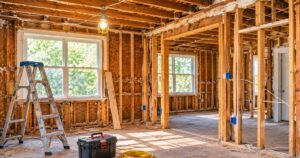
The best evidence is what past buyers reported. CNN’s 2015 Buffalo story gives three examples.
| Buyer (CNN Money, March 2015) | Reported spending |
|---|---|
| Mike Puma | $40,000 so far, about $55,000 expected |
| Deyron Tabb | About $78,000 total |
| Tom Lester | Under $5,000 so far, about $30,000 expected |
Those are 2014 and 2015 figures for specific Buffalo houses, and costs today will differ.
Purchase Price and Closing Costs
In HUD’s program the local government absorbs closing costs. Individual programs set their own fees, as Gary’s $25 application fee shows.
Property Taxes and Outstanding Liens
HUD’s notice requires a local government to remove any liens it placed on the property. CNN said Buffalo buyers faced a few hundred dollars a year in taxes, insurance, and other costs after rehab.
Structural Repairs and Renovation Expenses
CNN described homes abandoned for years with leaks, break-ins, and neglect. Puma called his house a full gut job.
Plumbing, Electrical, and Roofing Costs
Puma reported more than $15,000 for electrical and heating and cooling work, and $6,000 for water-damaged structure. Lester budgeted $3,000 to replace stolen pipes.
Permits, Insurance, and Utility Reconnection
The cited sources give no standard figures for these items. Ask the building department for permit requirements and an insurer about coverage for a house under renovation.
Unexpected Expenses During Rehabilitation
Tabb told CNN he spent through his first $20,000 and then a second $20,000, and that he later knew he could have done the work for less. Plan for a contingency.
What Are the Risks of Buying a $1 Abandoned House?
Hidden Structural Damage
A house vacant for years can hide water damage behind finished surfaces. CNN’s buyers found issues grow quickly once a roof fails.
Mold, Asbestos, and Lead-Based Paint
Ask an inspector whether testing for mold, asbestos, and lead-based paint makes sense for the house. The answer depends on its age and condition.
Tax Liens and Title Problems
Detroit says its Auction houses carry clear title. Confirm title for any program, and see our cheap abandoned houses guide for how county tax sales differ.
Code Violations and Demolition Orders
Buffalo’s buyers had to fix code violations within 18 months. HUD’s 2011 notice allowed a local government to recommend demolition when a home’s price plus rehab cost topped 130% of its after-rehab value.
Financing and Insurance Difficulties
FHA’s 203(k) program covers purchase and rehab for homes at least a year old, but a lender must approve the house and plan. Ask an insurer early about vacant or renovating houses.
Failure to Meet Renovation Deadlines
Cuyahoga’s escrow buyers forfeit their investment if renovation isn’t finished on time. Detroit’s FAQ describes forfeiture for missed compliance deadlines.
How to Buy an Abandoned House for $1: Step-by-Step
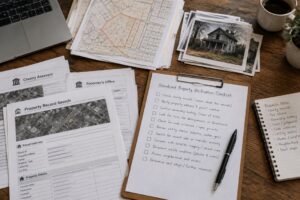
Step 1: Find an Official City or Land Bank Program
Start on a city, land bank, or HUD page. For general search routes, see how to find abandoned houses for sale near you.
Step 2: Check Property Eligibility
Confirm the house belongs to the program’s seller and meets its criteria. If you’re judging a house you’ve spotted, see the signs a house is really abandoned.
Step 3: Review Program Requirements
List the income, occupancy, deadline, and fee rules. Compare them with your plans before you apply.
Step 4: Inspect the Property
Arrange access through the program. Don’t enter a house on your own.
Step 5: Verify Ownership and Title
Check the county assessor and recorder for ownership, liens, and taxes. Ask the program about title.
Step 6: Prepare a Renovation Budget
Get written estimates for each system. Add a contingency, since CNN’s buyers overspent.
Step 7: Submit an Application or Purchase Offer
Follow the program’s deadline. Gary’s 2018 notice accepted applications for about six weeks.
Step 8: Complete the Purchase and Rehabilitation
Close, then track your deadlines. Keep receipts and permits.
Are $1 Houses Worth Buying?
When a $1 House Can Be a Good Investment
It can work for a buyer who can do or price the work and wants to live there. In 2015, one Buffalo buyer expected historic tax credits and rental income on part of his building to help recover costs.
When Renovation Costs Outweigh the Purchase Price
HUD’s 130% test shows the logic. If price plus rehab far exceeds the finished value, the numbers fail.
Owner-Occupancy Versus Investment Opportunities
The occupancy periods above, three to five years, make quick resale impractical. These programs suit people who plan to live in the house.
How to Calculate the Property’s Total Investment
Add the purchase price, closing and application fees, repairs, permits, insurance, utilities, taxes, and a contingency. Compare the total with what a finished house in that neighborhood would cost.
What About $1 Listings, $1 Auctions, and NACA’s $1 Program?
NACA, the Neighborhood Assistance Corporation of America, describes a City $1 Homeownership Program that offers city-owned homes for $1 to qualifying homebuyers. Availability depends on the city and the homes it holds, so check NACA and the city for current availability and eligibility before you plan around it.
To buy an abandoned house for $1 through an auction, you still have to win the bidding. Bid4Assets, for example, lists $1 no-reserve auctions. That $1 is the starting bid, not the sale price, and the final bid, fees, and any liens still apply.
A $1 listing is not a $1 sale. Read the listing terms, confirm who owns the house, and budget for repairs before you bid.
Alternatives If You Cannot Find a $1 Abandoned House
Buy Abandoned Houses Through Land Banks
Detroit’s auctions start at $1,000 and Cuyahoga lists houses from $5,000, both with conditions. Our guide to cheap abandoned houses you can actually buy compares these routes.
Search Tax Foreclosure Auctions
Community Progress says delinquent tax enforcement varies by and within states. Read your county’s notice before you bid.
Look for Government-Owned Surplus Properties
USA.gov’s real estate sales page, updated April 15, 2026, lists federal agencies that sell property. Many of those sales are auctions or offers at set prices.
Explore Inexpensive Fixer-Upper Properties
Standard listings include fixer-uppers at market-based prices. For more routes, see our guide to abandoned houses for sale.
Contact Local Redevelopment Authorities
Ask your city’s housing or planning department about land banks and homestead plans. Community Progress keeps a national map of land banks.
Conclusion
A $1 house is a real thing in a few places and a headline elsewhere. The useful question is what the program requires, how long you must live there, and what the repairs will cost.
Start with the official page for the program you’re considering, confirm it’s active, and price the whole project before you apply. For the wider picture, see our overview of abandoned houses in America.
Frequently Asked Questions
Is it really possible to buy an abandoned house for $1?
Yes, in narrow cases. HUD’s Dollar Home program sells qualifying HUD-owned homes to local governments for $1, and some cities have sold city-owned houses for $1 with conditions. It is not a free house, because closing costs, repairs, and program requirements still apply.
Do cities sell abandoned houses for $1, and are those programs still active?
Some have. CNN reported on Buffalo’s program in 2015, and Gary’s August 2018 release listed eight $1 houses. The official sources cited here do not confirm a currently open $1 house program in either city, so ask the city before relying on an older article.
Why would a city sell an abandoned house for only $1?
To get it fixed and occupied. Gary’s 2018 release ties its program to blight elimination and homeownership, and CNN reported that Buffalo was razing dozens of homes in a year. A nominal price is how cities attract buyers who will take on the repairs.
Are $1 house listings genuine sales or auctions that start at $1?
It depends on the listing, so read the terms. Inman, citing Realtor.com, reported that 512 homes were listed at $1 in June 2025 and described the price as a marketing tactic. A listing price or opening bid is not the final price, and city programs work differently from private listings.
Do $1 house programs require buyers to renovate the property?
Yes, in the programs described here. Gary’s 2018 notice required rehab within one year, Buffalo required code violations fixed within 18 months according to CNN in 2015, and Cuyahoga’s escrow buyers renovate to a written spec.
Do buyers need to prove they have enough money to renovate a $1 house?
Some programs screen on finances. Gary’s 2018 notice set a minimum annual income of $38,750, and the sources cited here show no universal proof-of-funds rule. Ask the administrator which documents they require.
Do cities offer grants or tax breaks to buyers of $1 houses?
Not as a standard feature in the sources cited here. One 2015 Buffalo buyer expected historic tax credits because his house sat in a registered historic neighborhood. The Cuyahoga Land Bank lists a renovation grant of up to $15,000 for some owner-occupants, though its houses start at $5,000, not $1.
Can foreigners buy $1 houses in the United States?
The sources cited here give no general rule for non-U.S. citizens. Programs set their own eligibility, so ask the administrator, and note that HUD’s program sells only to local governments.
Do you have to live in a $1 house?
Usually. Gary’s 2018 program required five years of occupancy, and Buffalo required at least three, per CNN in 2015.
Can you sell a $1 house after renovating it?
Check the program’s terms first. The three-to-five-year occupancy periods in these examples limit a quick resale, and the program agreement sets what is allowed.
What happens if a buyer fails to complete the required renovations?
The buyer can lose the house and the money invested. Cuyahoga says the land bank keeps the title and the buyer forfeits the investment if work is not finished on time, and Detroit’s land bank FAQ describes forfeiture for missed compliance deadlines. Ask the program whether extensions exist.
Can a $1 house cost more to renovate than it will be worth afterward?
Yes. HUD’s 2011 notice allowed a local government to recommend demolition when price plus rehab cost exceeded 130% of the home’s after-rehab value, and one of CNN’s Buffalo buyers reported spending about $78,000 in total. Compare your total cost with comparable finished houses before applying.
Are $1 houses actually good investments?
Only for some buyers. Occupancy rules rule out quick flips, and repair costs can run past expectations, as CNN’s Buffalo buyers found. Treat it as a home project with a budget, not a bargain.

AbandonedHouse
We explore the history, architecture and context behind America’s overlooked places through research-led storytelling and responsible documentation.
More stories for curious minds
Pros and Cons of Buying an Abandoned House
A run-down house with a low price can look like a steal, and the pros and cons of…
How to Buy an Abandoned House: Step-by-Step (US)
How to buy an abandoned house: find a property, identify the owner through county assessor and tax records,…