

Research & field stories
The cheap abandoned houses you can actually buy rarely come from spotting one on a street corner. They come through a few formal channels: land banks, county tax sales, federal agency sales such as HUD’s, and lender-owned listings. Prices can start in the low thousands, but rehab and title checks decide whether the deal is a bargain.
Prices at the low end can start in the low thousands. Two examples show the range. The Detroit Land Bank Authority opens auction bidding at $1,000 and requires buyers to rehab and occupy the house. The Cuyahoga Land Bank in Ohio advertises houses to renovate from as little as $5,000, with the deed held in escrow until the work is finished.
A house that looks abandoned still has an owner, and only that owner or an official sale can pass it to you. This guide covers where the real inventory sits, what each route asks of a buyer, and what to verify before bidding. Our broader guide to abandoned houses for sale covers more buying routes.
Quick Answers
- Where do cheap abandoned houses come from? Land banks, county tax sales, federal agency sales, and lender-owned listings. Each has its own rules.
- How cheap is cheap? Some programs start in the low thousands, as stated on their own pages in November 2026. That price excludes repairs and fees.
- What is the catch? Rehab deadlines, occupancy rules, eligibility checks, forfeiture if you miss a deadline, and closing costs.
- Can I claim a house by moving in? No. The route runs through the owner of record or an official sale.
- Can I finance one? Sometimes. FHA’s 203(k) program can combine purchase and rehab for eligible homes, and many sales require fast payment.
- What should I check first? Who is selling, what the sale does to liens and title, whether you can inspect, and what deadlines apply.
What Does a “Cheap Abandoned House” Mean When You Are Buying?
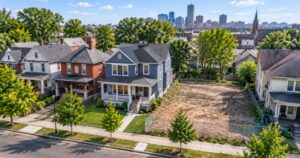
A cheap abandoned house is a low-priced home that looks empty or neglected, but it is still owned by someone, a bank, a county, or an agency until an official sale transfers it. A house that looks abandoned is not for sale because of how it looks. Appearance says nothing about who owns it or whether anyone will sell, and our guide to abandoned vs. vacant vs. zombie vs. condemned property explains why those labels point to different records.
Houses that reach buyers have usually been through a process first. A land bank acquired them, a county took them for unpaid taxes, a lender or federal agency foreclosed on them, or an owner agreed to sell. Unpaid taxes, repair bills, and estate problems are among the reasons houses get abandoned in the first place.
Low prices usually reflect the work and risk that come with the house. The sections below show how much of that is written into each program’s rules./span>
Where Do Cheap Abandoned Houses Come From?
Land Banks
A land bank is a public entity with unique powers to put vacant, abandoned, and deteriorated properties back to use. The Center for Community Progress says those powers vary by state but ideally include acquiring tax-foreclosed property cost-effectively, clearing liens and title, and selling to a responsible buyer rather than the highest bidder. The same page says more than 300 land banks and land banking programs have been created in the last decade, and it links to a national map of land banks.
Detroit shows how one program works in practice. Its FAQ says Auction houses are cleared out, secured, and sold with clear title, while Own It Now houses are sold as-is, uncleaned and unsecured. Buyers of either must rehab the house and ensure it is occupied.
Cuyahoga’s Deed-in-Escrow program sells to qualified owner-occupants and rehab contractors or investors for a modest purchase price. The buyer agrees to renovate to a written spec, typically within four months, and pays all labor and material costs. If the work is not finished on time, the land bank keeps the title and the buyer forfeits the money invested, according to the program’s own page, which adds that inventory changes often.
No land bank has a complete list of houses, and no national list exists either. For why even national counts are hard to pin down, see how many abandoned houses there are in the US. For where the problem concentrates, see the cities with the most abandoned houses.
County Tax Sales
When property taxes go unpaid, a county or state can foreclose or sell the property or the debt. Community Progress says these tax enforcement processes are complex and vary both by and within states.
Two county notices show how different the rules can be. Geary County, Kansas, says there is no redemption period after a tax sale except for properties with a federal lien. It also says other liens of record are extinguished once the court confirms the sale, while easements and covenants survive. The buyer must take legal action to get possession, the original owner has twelve months to challenge the county’s procedures, and the county makes no assurance that title insurance is available.
Mason County, Washington, called its early-2024 sale a “buyer beware” auction. Its terms say recorded easements survive, the IRS can have 120 days to acquire a property with its lien, and title companies may not insure for three years after the sale. The same document says a quiet title action can be pursued in court and that the winning bidder pays a 5% fee to the auction platform.
Neither county’s rules apply to your county. They show why you read the notice for the exact sale.
Federal Agency and HUD Sales
Federal agencies sell real estate they acquire through foreclosure, forfeiture, or failed banks, either by auction or by offer. USA.gov’s real estate sales page, last updated April 15, 2026, lists HUD, USDA, the FDIC, Fannie Mae’s HomePath, GSA, Treasury, and the U.S. Marshals Service as sellers. HUD’s homes-for-sale page links to several of the same agencies, plus the VA and Freddie Mac.
HUD homes carry a priority rule. Under a January 2022 HUD letter, only owner-occupants, governmental entities, and HUD-approved nonprofits could bid for 30 days on properties marketed as insured or insured with escrow, and five days on uninsured ones. HUD described insured properties as those that typically need only cosmetic or non-structural repairs up to $10,000.
HUD can change those periods, so read the bid window on the current listing. Many federal sales are foreclosures, which is a different thing from abandonment.
Buying Directly From an Owner
If a house is privately owned and no sale is advertised, the route runs through the owner of record. Start with the county assessor and recorder, then ask an attorney or title professional what the records mean.
Before you spend time, check whether the house shows the signs a house is really abandoned. If the owner has died or cannot be found, see what happens to abandoned houses nobody claims before you assume anyone can sell.
Listing Sites That Track Cheap Fixer-Uppers
If you want to browse cheap abandoned houses before you commit to one route, curated listing sites can help you watch the market. Cheap Old Houses lists houses starting at $5,000, according to its own site, and Old Houses Under $50K tracks low-cost older homes, many of them fixer-uppers. Treat any listing as a lead: confirm the seller, price, and condition on the official listing or county record before you act.
How Much Do Cheap Abandoned Houses Cost?
The table shows entry prices for cheap abandoned houses and the main conditions as each program’s own page states them in November 2026. Treat it as a comparison of conditions, not a price list, since inventory and rules change.
| Route | Entry price signal | Main conditions |
|---|---|---|
| Detroit Land Bank Auction | Bidding starts at $1,000 | Rehab and occupancy required; no delinquent Wayne County taxes; $1,000 nonrefundable deposit if you win; closing within about 30 days |
| Detroit Own It Now | Minimum price set per house | Sold as-is, not cleaned or secured; rehab and occupancy required |
| Cuyahoga Deed-in-Escrow | “As little as $5,000” depending on location | Written renovation spec, typically within four months; forfeiture if unfinished; grant up to $15,000 for some owner-occupants |
| County tax sale (Geary County, KS example) | Some properties sell below taxes owed, some above | No post-sale redemption except federal liens; buyer handles possession; no title insurance assurance |
| HUD real estate owned | Set per listing | Owner-occupant exclusive period of 30 or 5 days depending on label |
Detroit’s closing estimates at the time of its FAQ include $600 in closing and title fees and title insurance starting at $322.25. A sample DLBA auction listing carries a notice that rehab will often cost more than the winning bid, and that listing says missing the code deadline means forfeiture.
Use this equation for your own file: purchase price, plus closing costs, plus repairs, plus permits, plus insurance and carrying costs, plus a contingency. Get written estimates for each part, because no figure in this guide can replace yours.
Can You Finance a Cheap Abandoned House?
FHA’s 203(k) program may fit some of these purchases. HUD says 203(k) insures mortgages for purchasing or refinancing and rehabilitating a home at least a year old, with part of the loan paid to the seller and the rest held in escrow until the work is done. HUD lists HUD-owned properties among the eligible types and offers Standard and Limited versions, for major and less expensive repairs.
A lender decides whether a particular house and sale fit a loan. Ask before you bid, because timelines can be short: Detroit closes within about 30 days of a countersigned agreement, and Mason County’s 2024 terms required payment in full within two business days.
HUD marks listings insured, insured with escrow, or uninsured. Ask your lender what each label means for financing.
Why Are Some Cheap Abandoned Houses Hard to Inspect and Insure?
Many cheap abandoned houses have had their utilities shut off. With no power, water, or gas running, an inspector cannot fully test wiring, plumbing, or heating, so a house can hide leaks or faulty wiring behind that blank test.
You may be able to have utilities turned on temporarily, but that usually means paying a deposit and getting permission from the seller or the utility first.
Insurance is the other hurdle. Most standard insurers will not cover a vacant or unoccupied house, or will charge more for it, so ask an insurer before you bid, not after. If a deal looks too easy, check the warning signs in our guide to abandoned house buying scams.
How to Verify a Cheap House Before You Bid

A low price makes careless buying more expensive. Work through these checks for every house on your shortlist.
- Confirm who is selling and how. Get the official listing or sale notice from the land bank, county, or agency, and write down the date you read it.
- Pull the records. Use the county assessor and recorder to identify the parcel and look for taxes and recorded liens.
- Ask what the sale does to liens and title. The Geary and Mason notices differ, so read yours, and talk to an attorney or title company before bidding.
- Inspect only through approved channels. Detroit’s FAQ says touring a land bank house without approval counts as trespassing, and private showings cost $35.
- Read the conditions. Check rehab deadlines, occupancy rules, eligibility tests, deposits, and what happens if you miss a deadline.
- Price the whole project. Compare the total with what a finished house in that area would cost.
Myths About Free and Claimable Houses
None of the programs described here gives cheap abandoned houses away. The lowest prices come with rehab and occupancy duties, and Detroit’s $100 side lots go to neighbors and are lots, not houses, according to the DLBA FAQ.
Moving into an empty house does not make you the owner. If you wonder who has authority over an unclaimed house, start with the guide to unclaimed houses rather than a lock change.
Conclusion
The cheap abandoned houses worth buying come with a named seller, written rules, and a budget you priced before bidding. Start with your own county’s land bank or tax collector, then check federal sales, and keep one file per house with the listing date, records, and conditions.
For wider context on where this problem sits, see our overview of abandoned houses in America.
Frequently Asked Questions
Can I buy an abandoned house for $1,000?
Sometimes bidding opens at $1,000, as in Detroit’s land bank auctions. The winning bid, closing costs, and rehab add to that, and Detroit’s own listings warn that repairs often cost more than the winning bid.
Can I get an abandoned house for free?
Not through any program in this guide. Low-cost programs attach rehab or occupancy requirements, and Detroit’s $100 side lots are lots sold to neighbors.
Do I have to live in the house?
It depends on the program. Detroit requires buyers to rehab and occupy, Cuyahoga’s grant is for owner-occupants who live there at least three years, and HUD limits early bidding to owner-occupants and certain nonprofits and governments.
How do I find a land bank near me?
Check the Center for Community Progress’s national land bank map, then your county treasurer or city housing department. Many areas have no land bank, and programs differ widely where they exist.
Is a tax sale a safe way to buy?
It can be a legitimate route, but safety depends on the county’s rules. Geary County and Mason County handle redemption, liens, and title insurance differently, so read the notice and ask an attorney before you bid.
Can I use a mortgage to buy one?
Possibly. FHA’s 203(k) can finance eligible purchases with repairs, but a lender must approve the property and sale terms, and short closing timelines can rule a loan out.

AbandonedHouse
We explore the history, architecture and context behind America’s overlooked places through research-led storytelling and responsible documentation.
More stories for curious minds
Pros and Cons of Buying an Abandoned House
A run-down house with a low price can look like a steal, and the pros and cons of…
How to Buy an Abandoned House: Step-by-Step (US)
How to buy an abandoned house: find a property, identify the owner through county assessor and tax records,…