

Research & field stories
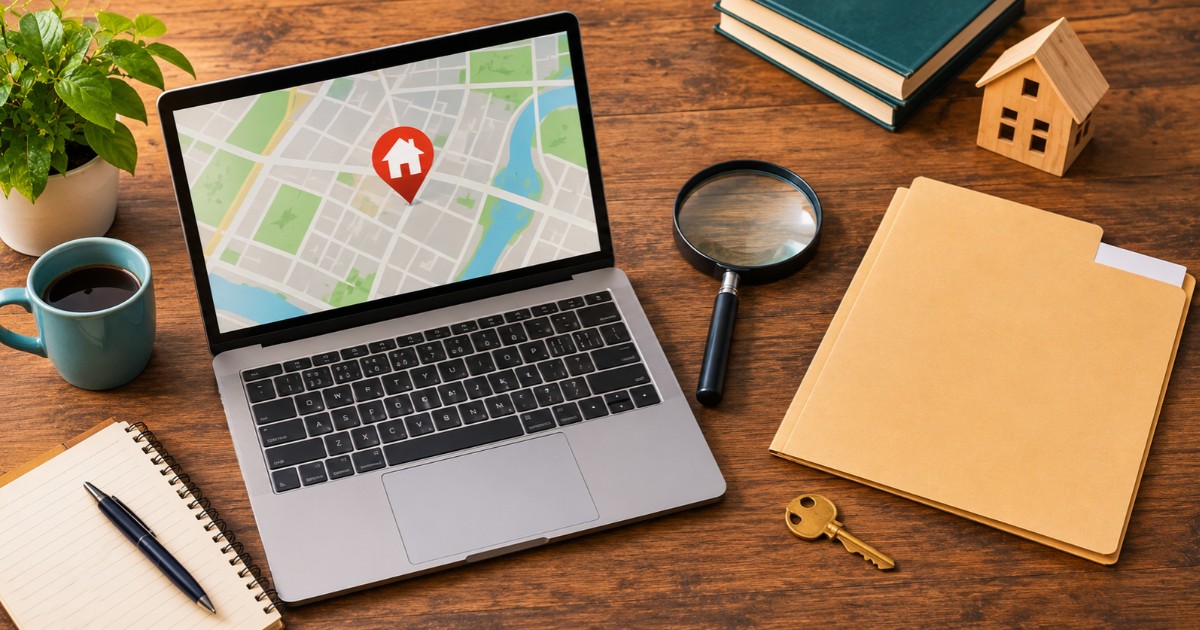
County assessor websites by state are official county or state pages where you can search property records by address, owner name, or parcel number. Each state organizes these sites differently, so this guide links to official starting points, explains the different office names, and shows what assessor records can and cannot tell you.
A county assessor website is the official online property search for the county office that values property for tax purposes.
Need to look up a property? A county assessor lookup is one of the fastest places to start. It can show the owner of record, the parcel number, and the tax value of a home.
Every state sets things up a little differently. In some places the county does the work. In others a town, a city, or a parish does. This guide shows you how to find the right county assessor website, what each office does, and what the records can and can’t tell you. That is why county assessor websites by state look different from one state to the next.
Where Can You Find County Assessor Websites by State?
Start with the table below. Each link goes to a government site, not a third-party directory. If your state isn’t listed yet, use the steps in the next section.
| State | Who assesses property | Official starting point | Last verified |
|---|---|---|---|
| Arkansas | County assessors | Arkansas county officials list (state Department of Finance and Administration) | Nov. 12, 2026 |
| Florida | County property appraisers | Florida Department of Revenue property tax page (the state agency that oversees county property appraisers) | Nov. 12, 2026 |
We add states as we check each link by hand. Third-party directories are left out on purpose, because their links can’t be trusted to be official.
How to Find Your County Assessor Website in Any State
Follow these steps if your state isn’t in the table yet:
- Find the county where the property sits. A city name alone can be misleading, since some cities cross county lines.
- Search for the county name plus “assessor,” “property appraiser,” or “property search.”
- Check the web address. Official sites usually end in .gov, though some counties use .org, .us, or a state domain.
- Open the property search tool and type the street address.
If you reach a page that asks for payment or an email before showing results, close it. That’s usually a private company, not the county.
Why the Office Has Different Names
You may see several titles for the same kind of lookup. They all lead to the same type of record.
- Assessor or tax assessor: the common name in most states.
- Property appraiser: the title used in Florida. Property appraisers there work under rules set by the state Department of Revenue.
- County auditor: the title used in Ohio.
- Appraisal district: the term used in Texas.
This is why a search for “county assessor website” can miss the right page in some states. If you don’t see “assessor,” try the other names. That is why searching county assessor websites by state sometimes needs the local office name.
Assessor, Recorder, and Treasurer: What Each Office Holds
Three offices keep different records. Knowing which one you need saves time.
The assessor
The assessor values property so it can be taxed. The assessor does not set the tax rate or collect the bill. Their records often show the owner name, mailing address, parcel number, and assessed value.
The recorder or register of deeds
This office stores deeds and other legal papers. Community Progress, a nonprofit that works on vacant property issues, says the recorder or register of deeds holds the official ownership records. In some places the assessor’s database pulls in recorder data, so you can see both in one spot.
The treasurer or tax collector
This office handles the tax bill. It can tell you whether taxes have been paid. Unpaid taxes can lead to a tax sale, which is explained in our guide on county tax sale routes.
How Do You Search County Assessor Websites by State?
Most sites offer more than one way to search. Use the one that matches what you know.
Search by address
This is the easiest way. Type the street number and name, and leave off words like “Street” or “Drive” if you get no results. If the property has no clear address, use a nearby one and check the map.
Search by parcel number
A parcel number is a code for one piece of land. It may be called an APN, PIN, or tax map number. You can find it on a tax bill or a deed, and it works when addresses are unclear.
Search by owner name
Try the last name first, then add a first name if there are too many matches. Spelling matters. Try short versions of names and common misspellings.
When Your State Works Differently
Not every state follows the county model. Here are the main differences you may run into.
Town or city assessors
In some states, towns do the assessing. In New York, for example, many towns and cities have their own assessors. The state’s Office of Real Property Tax Services explains how local officials fit into the property tax system there. Connecticut and Massachusetts also rely on town assessors.
If you search the county and find nothing, check the town or city website.
Parishes, boroughs, and independent cities
Louisiana uses parishes instead of counties. Alaska uses boroughs. Virginia has independent cities that sit outside any county. Search for the parish, borough, or city name instead.
Statewide lists versus county sites
A few states keep a state-run list that points you to each county office. Arkansas is one example, and its county officials list is run by the state. Other states leave it to each county to publish its own site. Use that list first when county assessor websites by state are hard to find on their own.
What an Assessor Record Does and Doesn’t Show
An assessor record is a good first clue. It is not the final word.
It usually shows:
- The owner of record
- The mailing address for tax bills
- The parcel number and lot details
- The assessed value
- Tax status, in some counties
It does not show:
- Proof of legal ownership. The deed at the recorder’s office is the strongest record.
- Whether a house is truly abandoned. A tax record can’t tell you that. Our guide on signs a house is really abandoned explains what to look for.
West Virginia University’s LEAP program notes that an informal records search is useful for finding people to contact, but it is not a reliable way to confirm ownership. Keep that in mind before you act on what you find.
Data can also be out of date. A sale or a death may take weeks or months to show up. The mailing address may also be the vacant house itself, which is common with neglected properties.
What to Do After You Find the Owner of Record
You have a name. Now what?
- Check the deed. Look up the recorded deed to confirm who holds title and whether liens exist.
- Look at the tax status. Unpaid taxes often explain why a house sits empty. Read about what happens to houses nobody claims to see where that can lead.
- Follow the full steps. Our guide on how to find the owner of an abandoned property covers LLCs, trusts, and deceased owners.
If you plan to buy, a lender will want to confirm ownership and condition first. See what lenders check on a property before you make plans. Some people also ask about claiming a house through long-term use. The rules differ by state, as shown in adverse possession rules by state.
Who Uses Assessor Websites
People use county assessor websites by state for different reasons:
- Buyers and investors checking a vacant property before they take any step
- Neighbors who want to know who is responsible for a run-down house
- Researchers and reporters who need public records they can cite
If you’re comparing areas, our look at housing vacancy rates by state can show where empty homes are more common. If you want to see what’s on the market near you, try abandoned houses for sale near me.
Can You Appeal an Assessed Value?
Yes. If you think the assessed value is too high, you can usually appeal it through the county assessor or the local board that hears appeals. Check the county assessor websites by state table above for the official site, then look for its appeal form, the evidence it asks for, and the deadline. Deadlines and rules differ by county, so use the official site, not a third-party page.
Frequently Asked Questions
Is a county assessor lookup free?
Searching online is often free, but it depends on the county. Printed copies or certified documents can cost money. Check the official site for current fees. Start with the county assessor websites by state table above to find the official site for your county.
Does the assessor’s record prove who owns the property?
No. It shows the owner of the record for tax purposes. The recorded deed is the stronger proof of ownership.
Why can’t I find the property?
You may be searching the wrong county, or the town may do the assessing instead. Try a parcel number, a nearby address, or a different spelling. Recent sales and new lots can also take time to appear.
Does an assessor record show if a house is abandoned?
No. A record can show the owner and the tax value, but it can’t tell you whether anyone lives there or cares for it. Learn the difference in our guide on abandoned, vacant, zombie, and condemned property.
How can I tell a real government site from a copycat?
Look for a .gov address or a link from your state or county home page. Be careful with sites that ask for payment before showing basic results. When in doubt, start from the state’s own website.
Conclusion
A county assessor lookup gives you a fast, free starting point in most places. Find the right county, learn what the local office is called, and search by address or parcel number. Then confirm what you find with the deed and tax records. That is the simplest way to use county assessor websites by state.
This page is general information, not legal advice. Talk with a local attorney before you buy, claim, or take action on a property.

AbandonedHouse
We explore the history, architecture and context behind America’s overlooked places through research-led storytelling and responsible documentation.
More stories for curious minds
Abandoned House Buying Scams to Avoid (Warning Signs)
Abandoned house buying scams are frauds in which someone who does not own a house, or misrepresents its…
Abandoned Houses in Detroit: 7 Things to Know Before You Buy
Abandoned houses in Detroit are empty, often damaged homes that are mostly sold through the Detroit Land Bank…